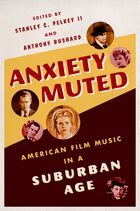
As an active musicologist and historian, I am regularly working on research for a number of publications and other scholarly projects and contributions. Here are several publications that I would especially like to highlight for you. ~ ~ ~
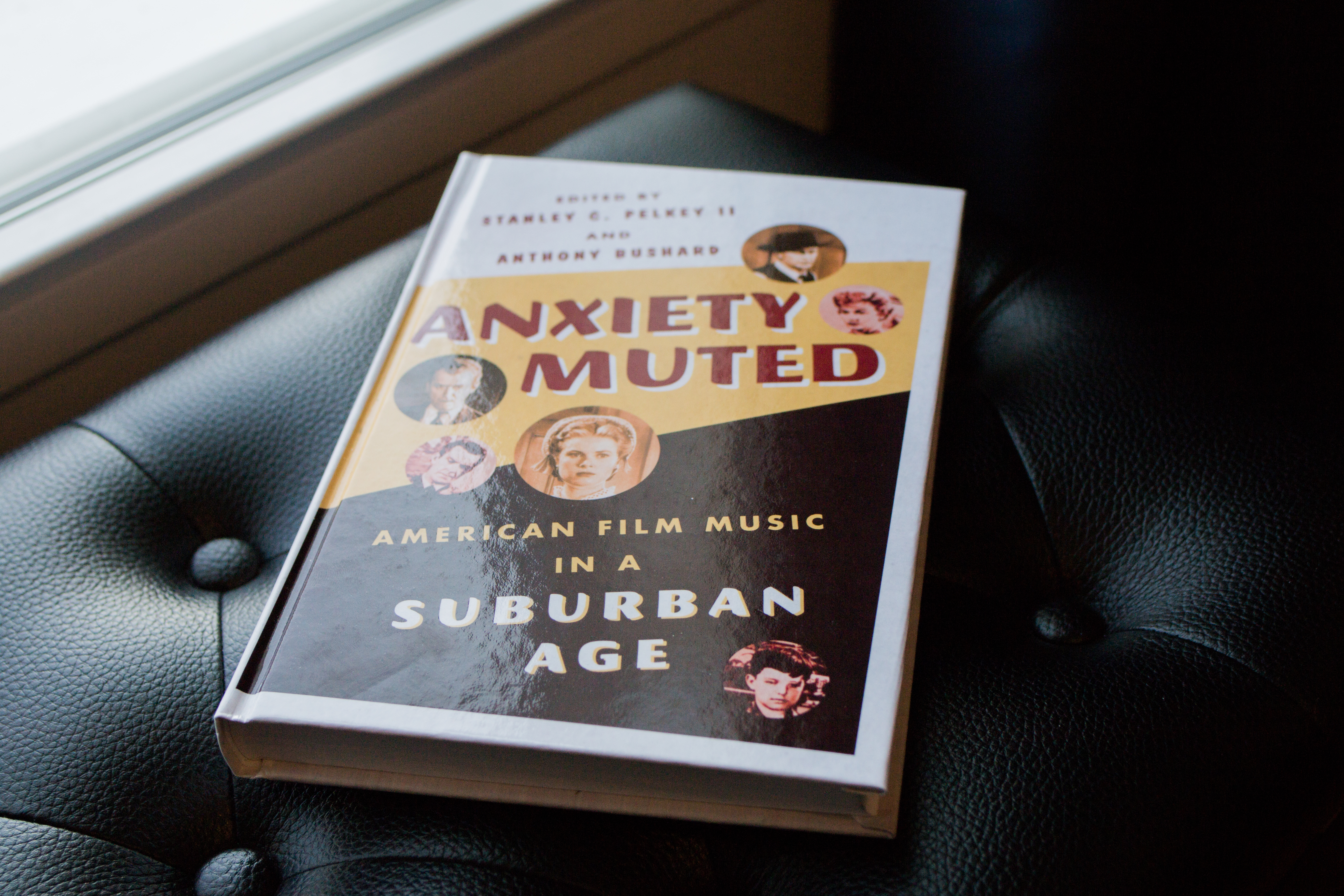
Muted Anxiety: American Film Music in a Suburban Age (Oxford University Press, 2014) is available. I edited this collection on film and television music with my colleague, Dr. Anthony Bushard. You can purchase a copy here.
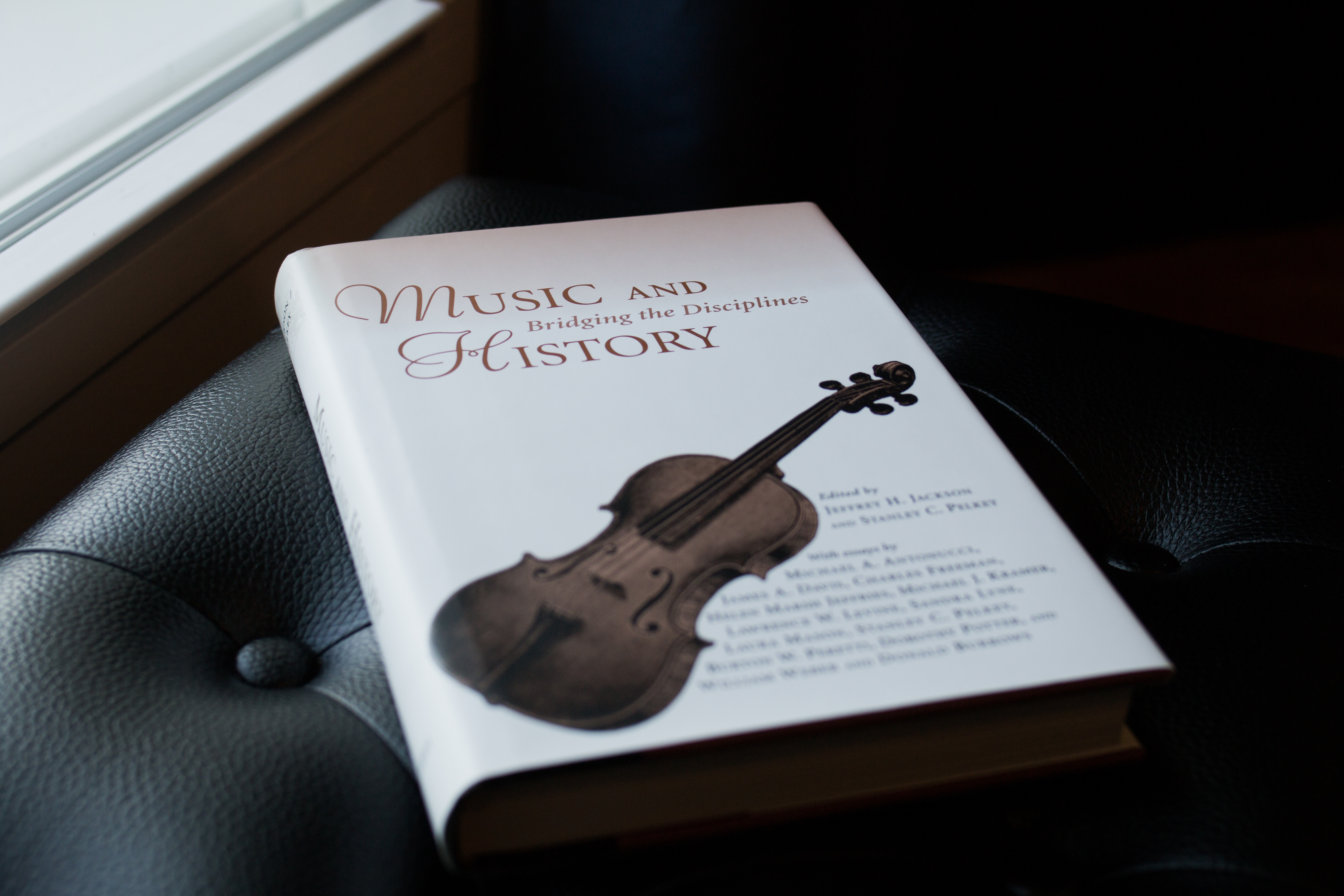
Music and History: Bridging the Disciplines (University of Mississippi Press, 2005) has celebrated the twentieth anniversary of its publication. I edited this collection with my colleague, Dr. Jeffrey Jackson. We presented a retrospective reflection on this work at the national conference of the American Historical Association in Washington in January 2015. You can purchase a copy here.
This interesting collection, Buffy, Ballads, and Bad Guys Who Sing: Music in the Worlds of Joss Whedon, includes an essay of mine on music in the series Firefly.
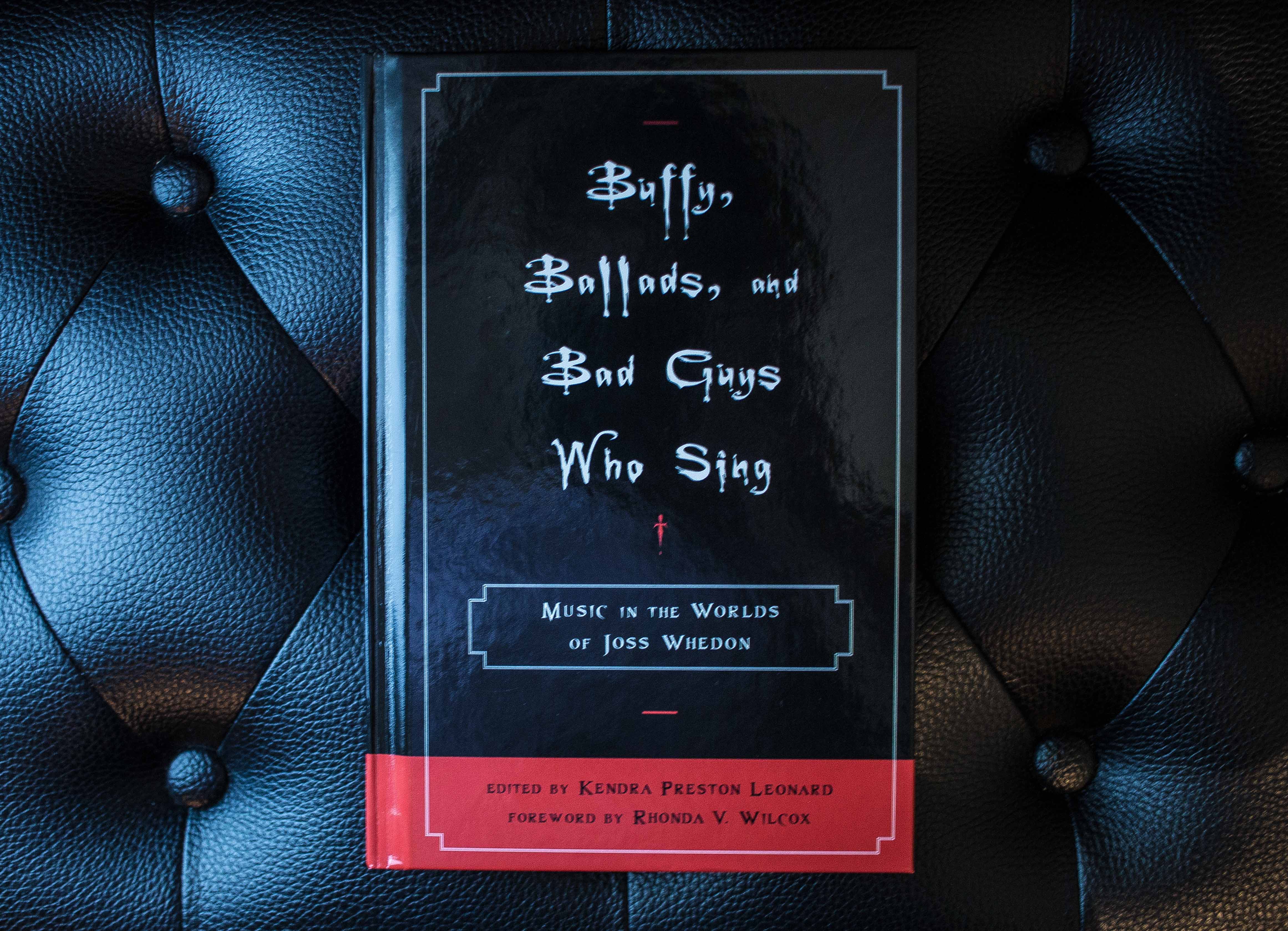
* Photos courtesy of Brian LaBrec (April 22, 2017; May 1, 2018). You can check out some of his other work here.
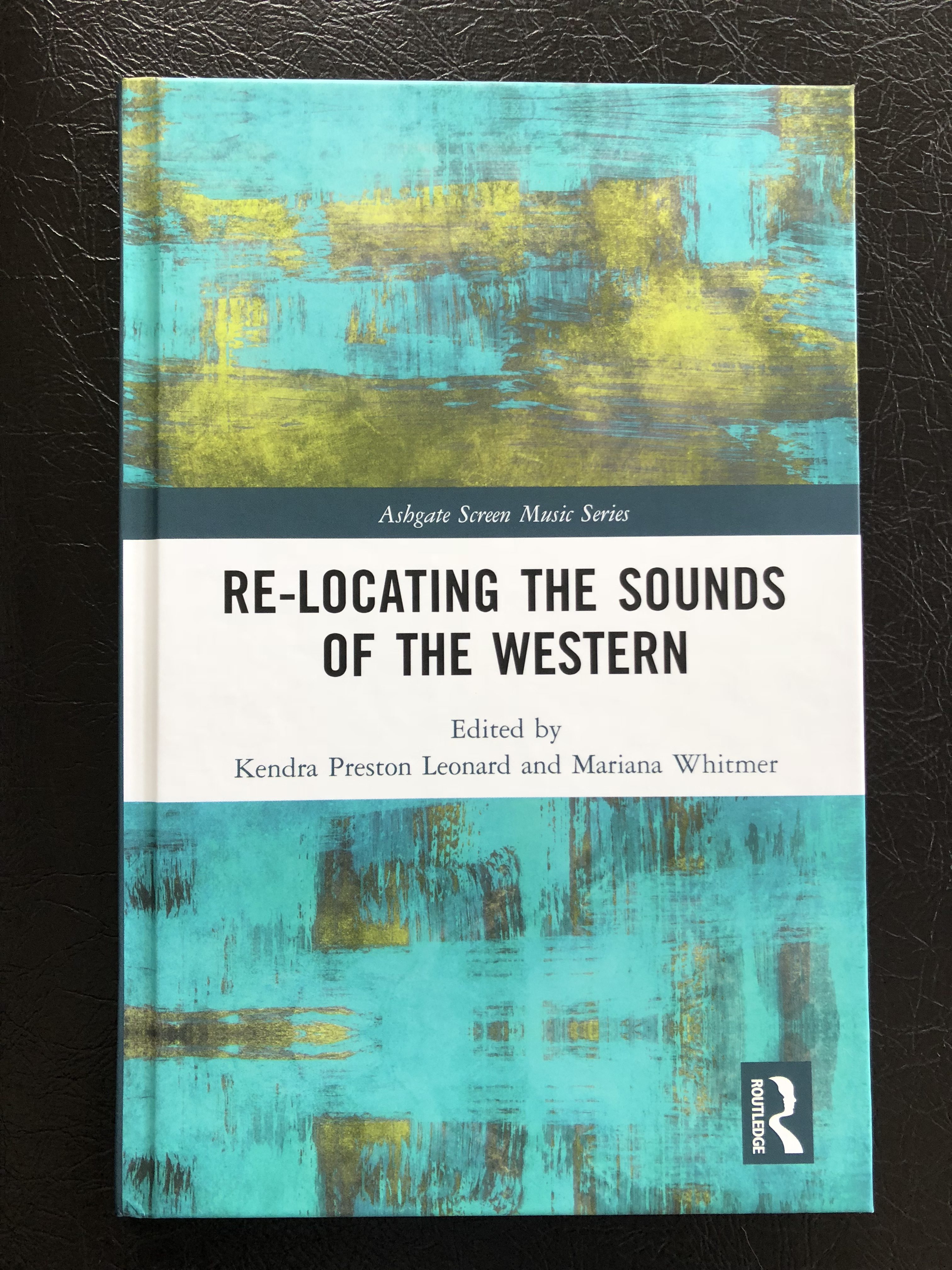
My chapter on music in Dr. Who, “The Gunfighters” (1966), is available in Re-Locating the Sounds of the Western, which was published by Routledge (August 2018). You can purchase a copy here.
My chapter on fathers and monsters in Dexter is available in this recently published collection.


My chapter on C. S. Lewis, Lewis Mumford, and early television science fiction is now available in the collection, Going to the Movies with C. S. Lewis: Exploring Theology, Christian Imagination, and the Art of Cinema (Integratio Press, 2026). I address multiple episodes about the Daleks from Doctor Who, as well as episodes such as “The Doomsday Machine” and “Obsession” from the original Star Trek series, through the lens of Lewis’s The Abolition of Man and Mumford’s writings about the “megamachine.” I also touch on more recent episodes in both franchises, as well as a bit on the old BBC “Quatermass” franchise, as I conclude by considering the importance of live music making (versus mechanical reproduction) as a marker of our individual and collective humanity. I have been working on this chapter in one form or another for more than a decade. Although I had hoped to finish it much sooner, the delay meant that the chapter benefitted from my valuable training in theology and religious philosophy during the past five years. You can order a copy here.